LOYAL SON
Technical Dossier
& Production Package
Confidential Development Document
Prepared by Section Chief
1. Project Executive Summary
LOYAL SON is a lean, hyper-contained institutional political thriller designed for high efficiency, high tension, and premium talent attachment. Built on a zero-fat narrative structure, the project maximizes dramatic friction through a single primary location, a compressed real-time timeline, and a highly controlled cast size.
2. The Core Concept
Logline: On Election Night, a compromised black-ops assassin infiltrates a secure D.C. journalism unit inside an underground bunker, claiming he has just executed the President—even as the President continues to speak live on national television.
Dramatic Engine: The narrative deconstructs institutional trust, human panic, and tactical survival under confinement. The tension rests entirely on a single paradox: who or what is on the television screen if the man responsible for the execution is standing in the room? The script trades cinematic excess for psychological and situational pressure, stripping away external subplots to focus strictly on the immediate tactical standoff.
3. Production Metrics & Financing Strategy
Designed specifically as a highly financeable, mid-budget package, the script prioritizes structural mechanisms that lower production costs while maintaining premium commercial appeal.
Contained Footprint: By confining 95% of the action to a singular, architecturally distinct bunker location, the project significantly reduces company moves, logistics, and scheduling complexity.
Talent Magnet Architecture: The lean, dialogue-driven structure provides substantive, high-intensity performance windows for top-tier actors, making it an attractive packaging vehicle for prestige talent looking for a tight shooting schedule.
Market Alignment: Positions directly within the highly monetizable streaming and independent theatrical ecosystem for grounded, elevated thrillers.
4. Creative & Narrative Architecture
Tone and Aesthetic Profile
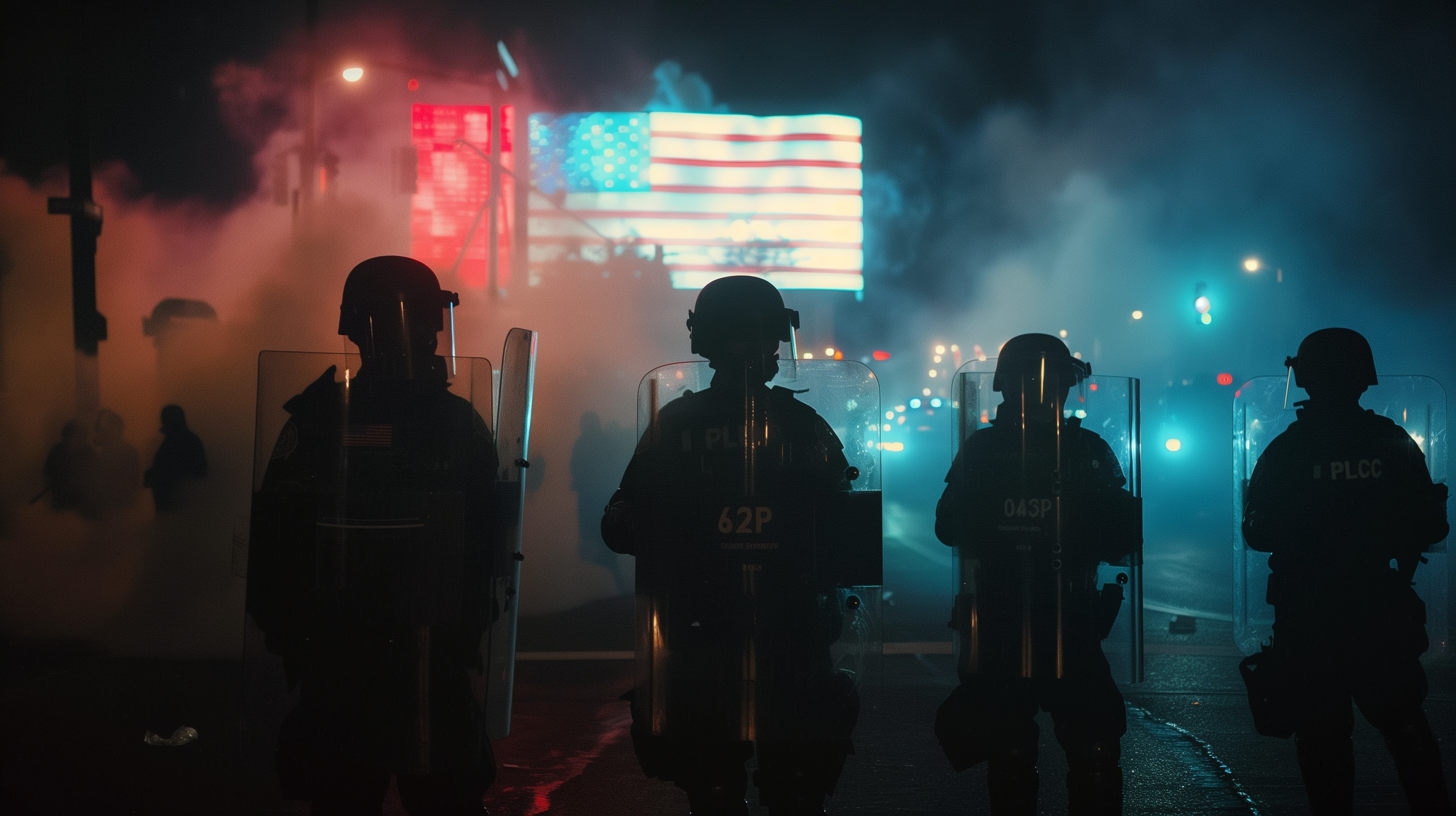
The visual direction utilizes a minimalist, high-contrast, brutalist aesthetic. The bunker environment is treated as an active antagonist—claustrophobic, industrial, and utilitarian. Lighting relies heavily on functional tech displays, security monitors, and harsh, direct sources, creating a stark neo-noir atmosphere that mirrors the zero-fat prose style of the text.
Key Character Profiles
The Assassin: A compromised, clinical operative. Driven not by manic energy, but by calculated, quiet, and unsettling certainty. A deconstruction of the classic "hero" archetype, reframed through a lens of human friction and institutional isolation.
The Journalism Team: A high-stakes media unit caught in the crossfire. Stripped of their traditional reporting distance, they are forced to navigate immediate, life-or-death tactical survival while managing an unprecedented constitutional crisis unfolding directly in front of them.
5. Creative & Narrative Architecture
A. Character Profiles & Friction Matrix
The narrative pressure cooks inside a modest, two-bed hotel suite (Room 1407), driven entirely by the collision between an isolated black-ops asset and a boutique, credential-denied journalistic unit.
FRANK BIRCH (54) — The Operative
Profile: A 30-year veteran of classified black operations who has spent his entire career operating without a paper trail. Diagnosed with stage-three pancreatic cancer eight months prior, he has broken the faith after realizing he was used as an expendable tool to execute the actual President inside an Andrews hangar. He is calm, clinical, and speaks with a flat, chilling certainty.
Dramatic Function: He enters the room as a human wrench thrown into the gears of reality. He doesn't offer a standard "whistleblower" leak; he presents a localized paradox that forces the journalists to question the fundamental idea of verified information.
CLAIRE MORRISON (50s) — The Bureau Chief
Profile: The hard-nosed leader of Verify Media. Formerly a war correspondent for the Times in Afghanistan, she has an old history with the exact shadow architecture Birch represents, the same network that buried her breaking combat-logistics corruption story in Kandahar decades ago.
Dramatic Function: The emotional and professional anchor. She represents journalistic rigor under extreme duress, choosing to press forward with the recording even as the physical threat closes in on the floor.
THE FIELD TEAM (MAYA, DANNY, JAVIER, ALAN)
Maya Chen (24): The analytical research engine who breaks the story open by finding the "seam"—noticing that the public alibi footage of the President's Scranton rally shows an entirely dry crowd on a night it was verified to be pouring rain.
Danny Park (25): The realist driven by immediate panic. He represents the modern institutional collapse—the realization that if Birch is right, you can't even call the FBI tip line because you no longer know who owns the infrastructure on the other end of the phone.
Javier Reyes (23) & Alan Marsh (26): The operational field crew. Javier manages the high-stakes cellular data upload of the footage, while Alan operates the single camera tripod tracking Birch's confession.
Format
Feature Film
Genre
Contained Political Thriller / Neo-Noir
Page Count
76 Pages (Lean, accelerated pacing)
Primary Location
A secure D.C. hotel bunker / journalism unit
Timeline
Election Night (Real-time progression)
5. Strategic Market Comparisons
Comparative Project
Strategic Alignment / Synergy
Margin Call
Captures the hyper-contained institutional panic, razor-sharp dialogue pacing, and elite ensemble friction over a single night.
Locke
Demonstrates the commercial viability of maintaining absolute, unyielding narrative momentum within a single restricted space.
The Parallax View
Informs the overarching thematic paranoia, deep-seated institutional distrust, and classic political thriller DNA.
World Rules & Causal Architecture
The Information Monopoly: The story leverages a terrifyingly plausible look at modern gaslighting. The shadow infrastructure doesn't hack or break systems; they simply utilize people on a second payroll to replace files, adjust photo archives, and alter AP wire timestamps after the fact. It relies entirely on the fact that the public rarely spends more than "ninety seconds of effort" to verify a headline.
The Continuity Protocol: The core architecture centers on a full identity replacement, not a simple body double. An asset named Warren Cahill has been surgically altered, behaviorally trained for six years, and held in perpetuity by a nameless directorate to step into the presidency seamlessly.
The Contained Timer: The script progresses in a strict real-time, claustrophobic 1:1 ratio. The tension scales from a quiet hotel room dialogue to an immediate tactical escape down dark, emergency-lit hotel corridors as heavily armed federal sweep teams close off the floor.
The Digital Ghost: The ultimate narrative victory is asymmetrical. Though the team is arrested and Birch is compromised, a single cracked phone hidden behind a 14th-floor ice machine successfully completes a 100% cellular upload of the tape to an anonymous receiver at 2:47 AM, leaving a permanent digital bullet in the system.
FRANK BIRCH (54) — The Operative
He needs to embody quiet, calculated, clinical exhaustion, carrying a deep-seated physical vulnerability from his terminal illness while maintaining an unsettling, razor-sharp certainty.
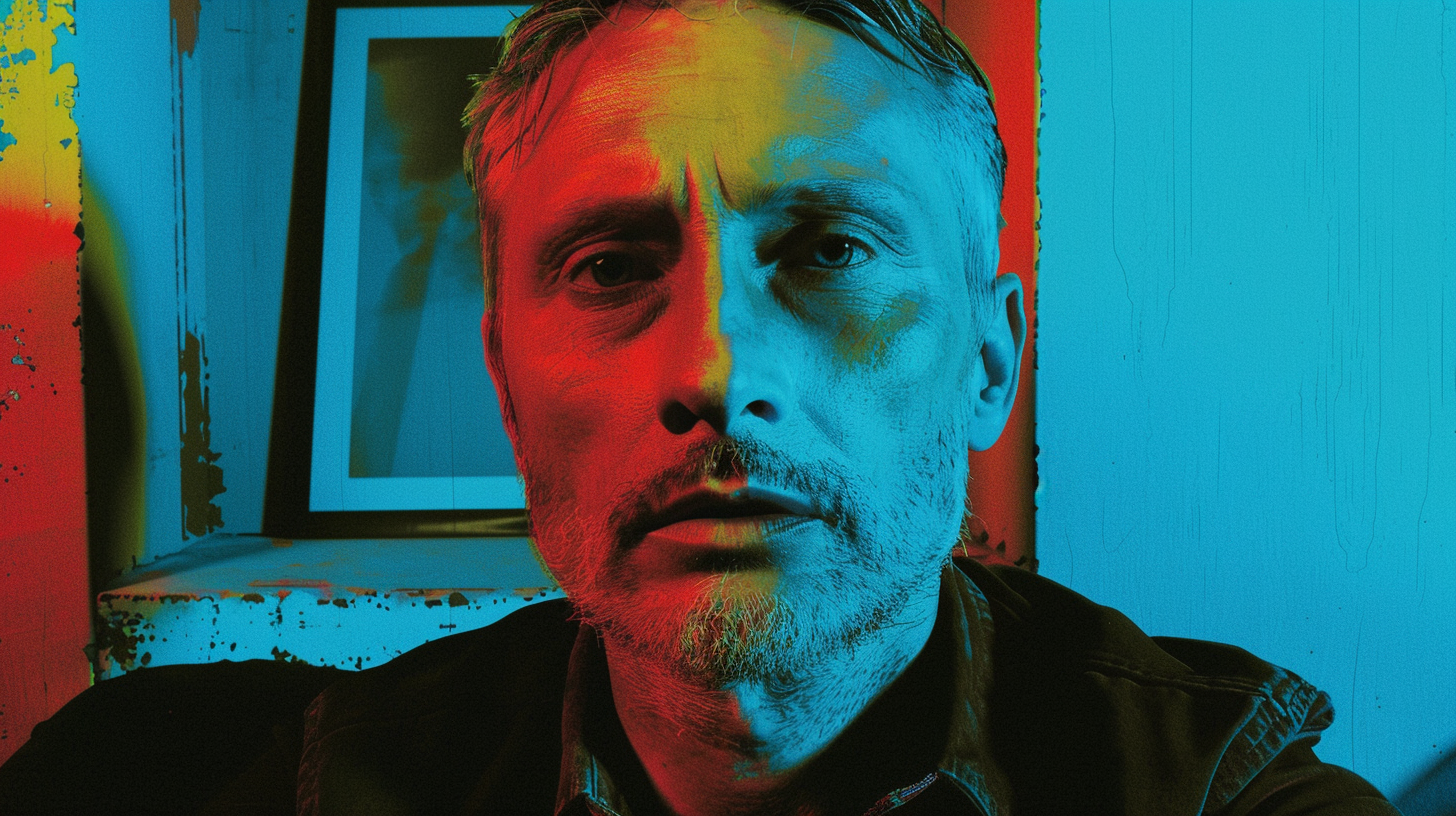
Mads Mikkelsen: Absolute bullseye. He does "lethal but world-weary" better than anyone alive. His ability to deliver clinical, devastating lines with an unblinking, calm composure matches Birch's script persona flawlessly.
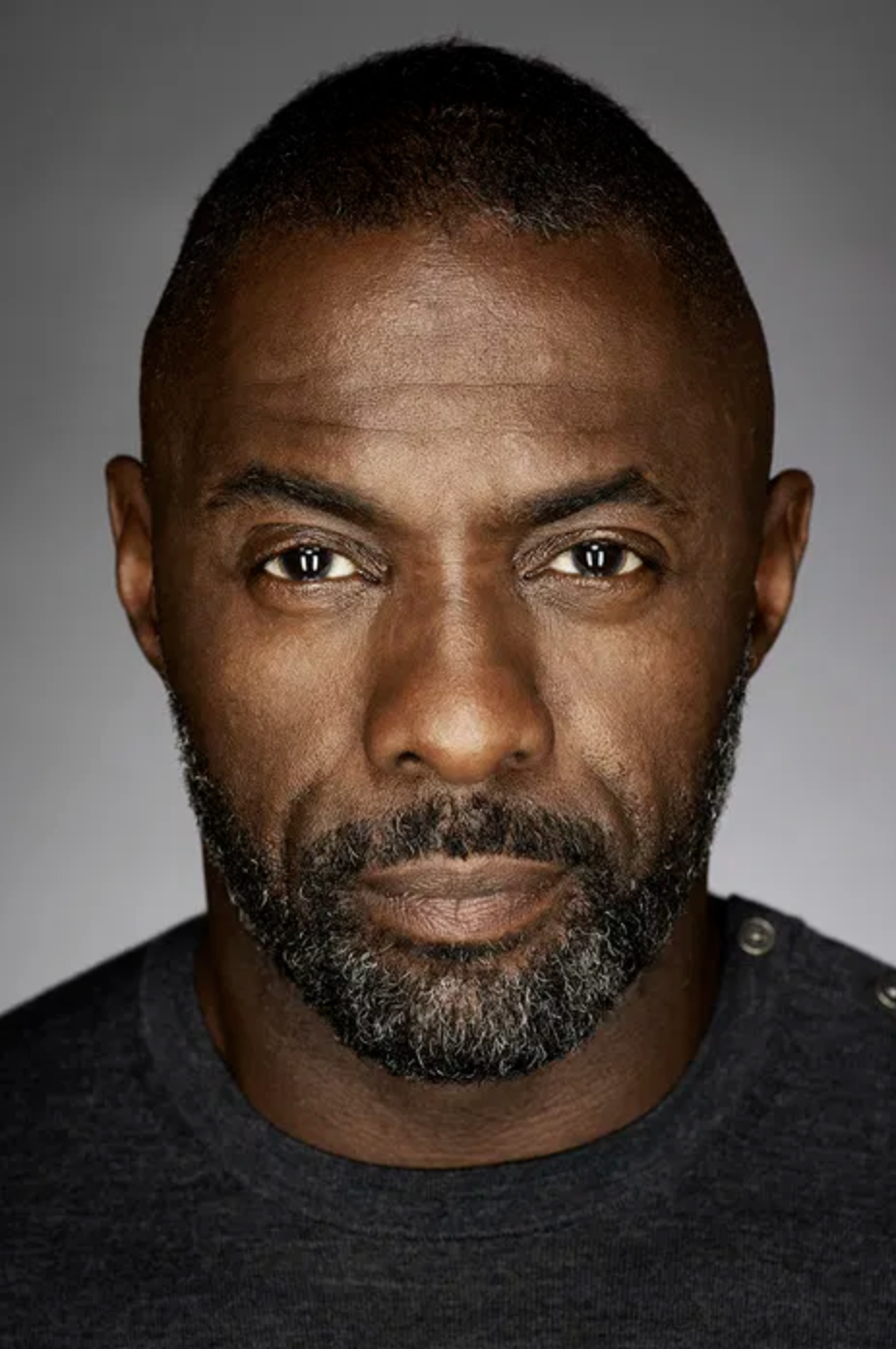
Idris Elba: Brings an immense, heavy physical gravitas and deep-seated intensity. Elba excels at playing characters who are absolute weapons but carry a profound, weary internal burden. His performance would anchor Birch’s 30-year operational history with a quiet, terrifying authority before the character breaks his faith.
Jon Hamm: A phenomenal choice if you want to lean into a classic, institutional American archetype decaying from the inside out. He can easily project the heavy, 30-year operational history Birch has carried before finally breaking his faith.
Mark Strong: Fiercely intense, deeply intelligent, and incredibly precise. Strong carries a natural, understated tactical gravity that makes you instantly believe he could systematically outmaneuver an elite federal sweep team.
CLAIRE MORRISON (50s) — The Bureau Chief
She requires an actress who commands immediate intellectual authority and projects battle-tested journalistic grit—someone who can look a lethal black-ops asset in the eye and refuse to blink.
Robin Wright: Exceptional fit. She plays calculated, unshakable authority with razor-sharp precision. She perfectly captures the aura of a former frontline war correspondent who won't let her crew panic when the room goes dark.
Carrie-Anne Moss: Brings an immediate, grounded, steel-spined energy. Moss is incredible at playing hyper-alert, highly intelligent professionals who navigate high-stakes crisis situations with zero panic.
Sandra Oh: A powerhouse choice for intellectual grit. Oh has an unmatched ability to play characters driving through hyper-stressful, fast-moving crises with hyper-focused, unblinking determination. She would masterfully track Claire’s calculation as she tests Birch’s story while keeping a tight, protective grip on her young field team.
Melissa Leo: Leo brings an unmatched, battle-tested authenticity and zero-fat intensity to the screen. She is the ultimate anchor for Claire’s history as a hardened war correspondent who refuses to let her crew blink, even as heavily armed federal sweep teams systematically lock down the floor around them.
DANNY PARK (25) — The System Realist
This character is the audience's surrogate for panic. He is a modern, sharp media realist who completely unravels when he realizes the very infrastructure of verifiable truth has collapsed.
Steven Yeun (Age-bracket archetype) / Charles Melton: You want a rising, high-caliber dramatic actor who excels at projecting escalating, raw situational anxiety.
Why this comp works: The character needs to make the audience feel the terrifying realization that you can't even call the authorities because you no longer know who owns the person on the other end of the line. An actor with great emotional range can transform Danny's panic from a simple complaint into a devastating thematic moment for the entire film.